To choose a Botox injector in Queens, pick a licensed medical provider, such as a physician, nurse practitioner or physician assistant, who examines you personally, injects often and can show you their credentials. A nurse practitioner and a dermatologist can both be excellent choices. A spa with no medical provider on site is not, because Botox is a prescription drug that only licensed clinicians can legally prescribe and inject in New York.
By Evollon Medspa & Wellness · Medically reviewed by Nadegda Kandchorov, FNP-BC · Updated November 22, 2026

So the question isn’t really “which title is best?” It’s “who is holding the syringe, how well do they know faces, and what happens if something goes wrong?” This guide walks through each option fairly, then gives you a checklist to take to any consultation.
A note on bias. We’re Evollon Medspa & Wellness, a nurse practitioner-led practice in Forest Hills. We’ve tried to write this the way we’d explain it to a friend, including the cases where a dermatologist is the better call.
In New York, Botox can be injected by physicians, nurse practitioners and physician assistants, and by registered nurses acting on a specific order from one of those prescribers. Estheticians, cosmetologists and medical assistants cannot legally inject it, whatever training certificate they hold.
The reason is simple. Botox is a prescription medication. Deciding whether you’re a suitable candidate, and how much you should receive, counts as practicing medicine.
| Provider | Can they inject in New York? | Conditions |
|---|---|---|
| Physician (MD or DO) | Yes | Can evaluate, prescribe and inject |
| Nurse practitioner (NP) | Yes | Can evaluate, prescribe and inject. Newer NPs work with a collaborating physician |
| Physician assistant (PA) | Yes | Works under a supervising physician |
| Registered nurse (RN) | Yes, with limits | Injects on a patient-specific order after a prescriber has evaluated you |
| Dentist | Limited | Only in connection with dental treatment of the mouth and jaw area |
| Esthetician or cosmetologist | No | Their license doesn’t cover injections |
| Medical assistant or unlicensed staff | No | Not permitted |
Two practical takeaways. First, someone who can prescribe should evaluate you before your first treatment. If you’re walked straight to a chair without that, be cautious. Second, you can check any New York license yourself, free, on the state’s Office of the Professions verification search. It takes about a minute.
Rules do change, so treat this as general information and not legal advice.
A nurse practitioner offers medical training, the authority to examine and prescribe, and often a practice built entirely around aesthetics. In New York, NPs hold a graduate nursing degree and national board certification, and experienced NPs can practice independently.
In an NP-led medspa, the same person usually takes your history, plans your treatment, injects you and sees you at follow-up. That continuity is valuable. They remember how your forehead responded last time and adjust accordingly.
Strengths:
Limits:
The title alone doesn’t tell you much. An NP who has injected thousands of faces is a very different proposition from one who took a weekend course last month. The questions further down help you tell them apart.
A dermatologist offers the deepest formal training in skin, with medical school followed by a residency, and can diagnose and treat medical skin conditions alongside cosmetic concerns. For some patients, that’s exactly what’s needed.
Strengths:
Limits:
That third point surprises people. Booking at a dermatology office doesn’t guarantee the dermatologist injects you. Ask.
When we’d point you to a dermatologist: if you have an undiagnosed skin condition, a history of unusual scarring, a complicated medical history or a previous bad reaction to injectables. We say this as a medspa. The right provider depends on the patient.
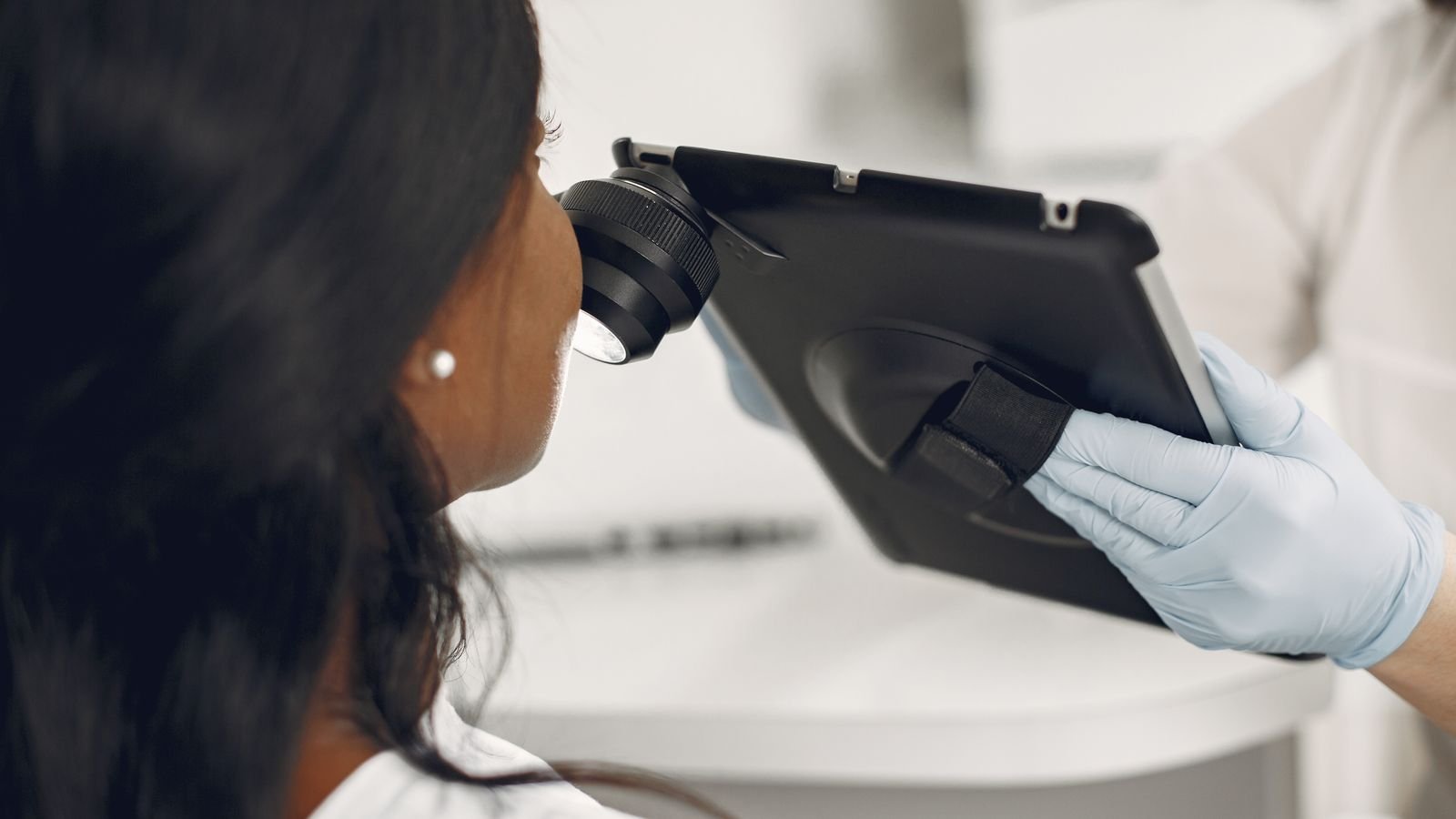
It depends entirely on what kind of spa it is: a medspa with a licensed medical provider is a legitimate choice, while a beauty salon or day spa offering injections without one is not. The setting matters far less than the license of the person injecting.
The word “spa” covers very different businesses.
| Medical spa (medspa) | Day spa or salon | |
|---|---|---|
| Who treats you | Physician, NP, PA or supervised RN | Estheticians and cosmetologists |
| Can they offer Botox legally? | Yes | No |
| Medical history and consent | Yes | Not applicable |
| Able to manage complications | Should be | No |
Red flags, wherever you go:
Why worry about very low prices? Because the product has a real cost. A deal that seems impossible may mean over-diluted product, or product bought from an unauthorized source. Counterfeit botulinum toxin has caused serious harm in the United States. That risk isn’t worth the discount.
A nurse practitioner-led medspa and a dermatology office are both sound choices, with differences in cost, focus and appointment style, while a non-medical spa isn’t a lawful option at all. This table sums up what we’ve covered.
| NP-led medspa | Dermatology office | Non-medical spa or salon | |
|---|---|---|---|
| Licensed to prescribe and inject | Yes | Yes | No |
| Typical focus | Cosmetic injectables and skin | Medical and cosmetic skin care | Beauty services |
| Who usually injects | The NP | Dermatologist, PA or nurse | Not permitted |
| Appointment style | Often longer, by appointment | Often shorter, busier | Varies |
| Cost | Moderate | Higher | Often very low, which is a warning |
| Best for | Routine cosmetic treatment | Skin conditions, complex history | Facials and non-medical care |
Keep in mind that these are general patterns. Individual practices vary, and the person matters more than the category.
Experience matters more than the title, as long as the title is one that’s legally allowed to inject. Among qualified providers, the best predictor of a good result is how often that person does this specific treatment.
Botox looks simple. It isn’t. The face has dozens of small muscles that sit in slightly different places on every person. A few millimeters or a couple of units too many, and you get a heavy brow, a drooping eyelid or a frozen look. Judgment comes from repetition.
Here’s what tends to separate a strong injector from an average one:
Volume. They inject most days, not occasionally.
Focus. Aesthetics is a core part of their work, not a side offering.
Assessment. They watch your face move before they pick up a syringe.
Restraint. They’re willing to use less, or to say no.
Follow-up. They want to see you at two weeks.
Continuing education. Techniques and products change, and they keep up.
A dermatologist who rarely does cosmetic work may give you a less refined result than an NP who does little else. The reverse can be true as well. Ask about the individual.
Ask who will inject you, what their license is, how often they perform the treatment and what they’d do if you had a complication. A good injector answers these easily and without getting defensive.
Take this list with you:
Pay attention to how the visit feels, too. Were you asked about your health? Did they explain things, or just sell? Did you feel free to leave and think about it? Those impressions are worth trusting.
If you’d like to understand the products before you go, our guide to Botox vs Dysport vs Xeomin vs Jeuveau compares the main brands.

Botox is usually priced per unit, and the total depends on how many units your muscles need and who’s injecting. Prices in Queens vary between providers, with specialist physician offices generally at the higher end and medspas somewhat lower.
What drives the difference:
The provider’s training and experience. You’re paying for judgment as much as product.
Units used. Stronger muscles and larger areas need more. Men often need more than women.
The brand. Different neurotoxins are priced differently.
What’s included. Some practices include the follow-up and small touch-ups. Others charge.
Compare like with like. A quote “per area” and a quote “per unit” aren’t the same thing, and a low unit price means little if twice as many units are used. Ask for the expected total.
And remember the earlier warning. A price well below the local range deserves a question about where the product comes from.
A safe appointment includes a medical history, a facial assessment, clear consent, product opened in front of you and aftercare instructions. If any of these are missing, that’s worth noticing.
Step by step:
Most side effects are mild and temporary. Even a droopy eyelid, which is uncommon, wears off as the product does. A provider who tells you there are no risks at all isn’t being straight with you.
For a look at how we handle the treatment itself, see our page on Botox in Forest Hills.
At Evollon, a board-certified nurse practitioner evaluates you, plans the treatment and performs the injection, with a free consultation first and a review at two weeks. We’re a small practice, so you see the same people each time.
The practice was founded by two board-certified family nurse practitioners, Nadegda Kandchorov, FNP-BC, and Vyacheslav Dabakarov, FNP-BC. You can read about them on our about page, and you’re welcome to verify their licenses using the state search linked above. We’d encourage it.
A few things we hold to:
We also offer fillers and other aesthetic treatments, which are described on our neurotoxin services and medspa in Forest Hills pages.
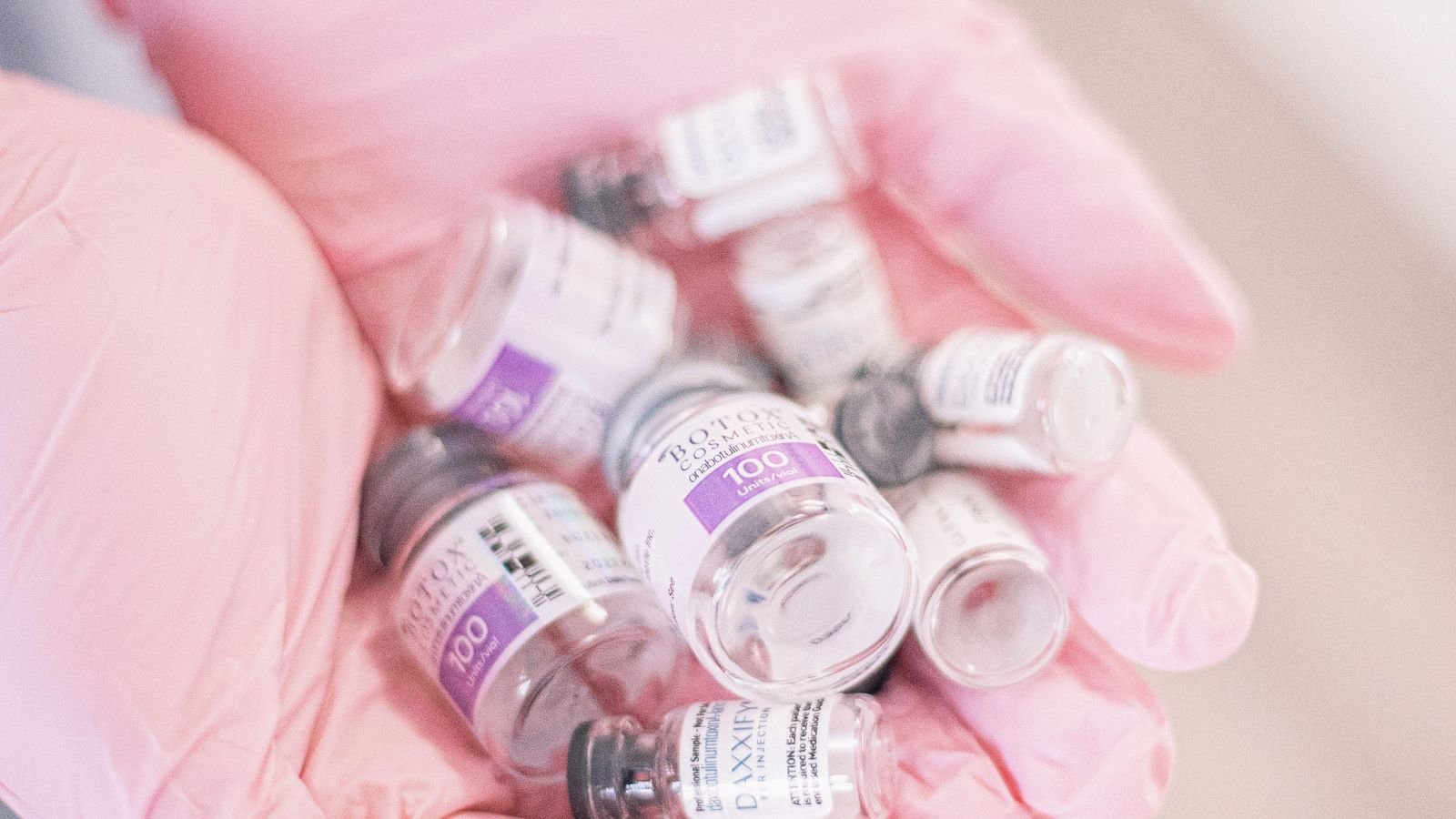
Look for a licensed physician, nurse practitioner or physician assistant who performs injections regularly, examines you first and offers a follow-up. Check the license on the New York Office of the Professions website and ask to see their own before-and-after photos.
Yes. In New York, nurse practitioners are licensed to evaluate patients, prescribe and inject Botox. Experience in aesthetics varies, so ask how long and how often they’ve been injecting.
Either can be a good choice. A dermatologist is preferable if you have skin conditions or a complex medical history. A medspa with an experienced, licensed injector is a sound option for routine cosmetic treatment.
No. Estheticians and cosmetologists aren’t licensed to inject Botox or fillers in New York, regardless of any certificate they hold.
The best injector is one with a valid medical license, frequent injecting experience and results you like. Evollon Medspa & Wellness in Forest Hills offers Botox performed by board-certified nurse practitioners, with free consultations.
Search their name on the New York State Education Department’s Office of the Professions verification page. It shows the license type, number and status.
Low prices can reflect less experienced injectors, diluted product or product from unauthorized sources. Ask where the product comes from and compare the expected total, not just the unit price.
Ask who will inject you, what their license is, how many units they plan to use, what the risks are and whether a two-week follow-up is included.
It varies with the area and the strength of your muscles. Your injector should give you an estimate after watching your face move, before any treatment.
Warning signs include no medical history, no clear answer about credentials, rushed appointments, pressure to buy more and prices far below the local range.
The right Botox injector in Queens is a licensed medical provider with real experience who examines you, explains the plan and stands behind the result. A skilled nurse practitioner and a cosmetic dermatologist both fit that description. A salon without a medical provider doesn’t.
If you’d like to put these questions to us, call Evollon Medspa & Wellness at 347-740-9508 to book a free consultation at 105-09 Metropolitan Ave, Suite 2, Forest Hills, NY 11375.

105-09 Metropolitan Ave,
Suite 2, Forest Hills, NY 11375
(Inside Bare Aesthetics)
Directions
By Appointment Only
